Bus accidents can be overwhelming, leaving victims with physical injuries, emotional stress, and financial strain. Recovering from these incidents is challenging, especially when trying to determine who is at fault. Many people are unsure how to start, and it’s easy to feel lost when dealing with insurance companies, bus operators, and medical bills.
The aftermath can involve costly medical treatment, lost wages, and the uncertainty of whether you’ll receive fair compensation. These challenges can feel even more overwhelming when bus companies seem unresponsive.
At the Law Office of Jack M. Shapiro, P.C., I’m committed to helping clients in Illinois who’ve been injured in bus accidents gather the critical evidence needed to support their claims. Collecting the right documentation, witness accounts, and records early can make a big difference in proving fault.
By acting quickly, you can protect your legal rights and strengthen your case. Contact me today to discuss your situation and see how I can help. I help residents in Buffalo Grove, Arlington Heights, DuPage County, Lake County, Mount Prospect, Palatine, Vernon Hills, Mundelein, Cook County, Hoffman Estates, McHenry County, Northbrook, Schaumburg, and Wheeling.
Driver and Vehicle Information
One of the first steps in proving fault in bus accidents is obtaining accurate details about the driver and the bus. These details form the foundation for determining liability and identifying responsible parties. Without this information, it can be difficult to establish who should be held accountable.
Driver identification: Obtain the full name, license number, and contact information of the bus driver. This is essential for tracking driving history, prior traffic violations, and any possible negligence.
Vehicle registration and insurance: Confirm the bus’s registration details and insurance coverage. Insurance policies often determine the financial resources available to cover damages.
Bus company records: Request schedules, maintenance logs, and internal reports. These records can reveal lapses in training, scheduling, or vehicle upkeep that contributed to the accident.
Driver logs: In commercial bus cases, logbooks or electronic logs can indicate whether the driver was adhering to hours-of-service rules or if fatigue played a role.
Collecting these details quickly is critical. Bus companies sometimes fail to preserve records or may provide incomplete information. Having this evidence early helps create a clearer picture of responsibility, making it easier to build a strong case for compensation.
Physical and Photographic Evidence
Physical evidence and photographs often provide the most persuasive support in bus accident cases. They create a tangible record of what occurred and help verify the circumstances described by witnesses and victims.
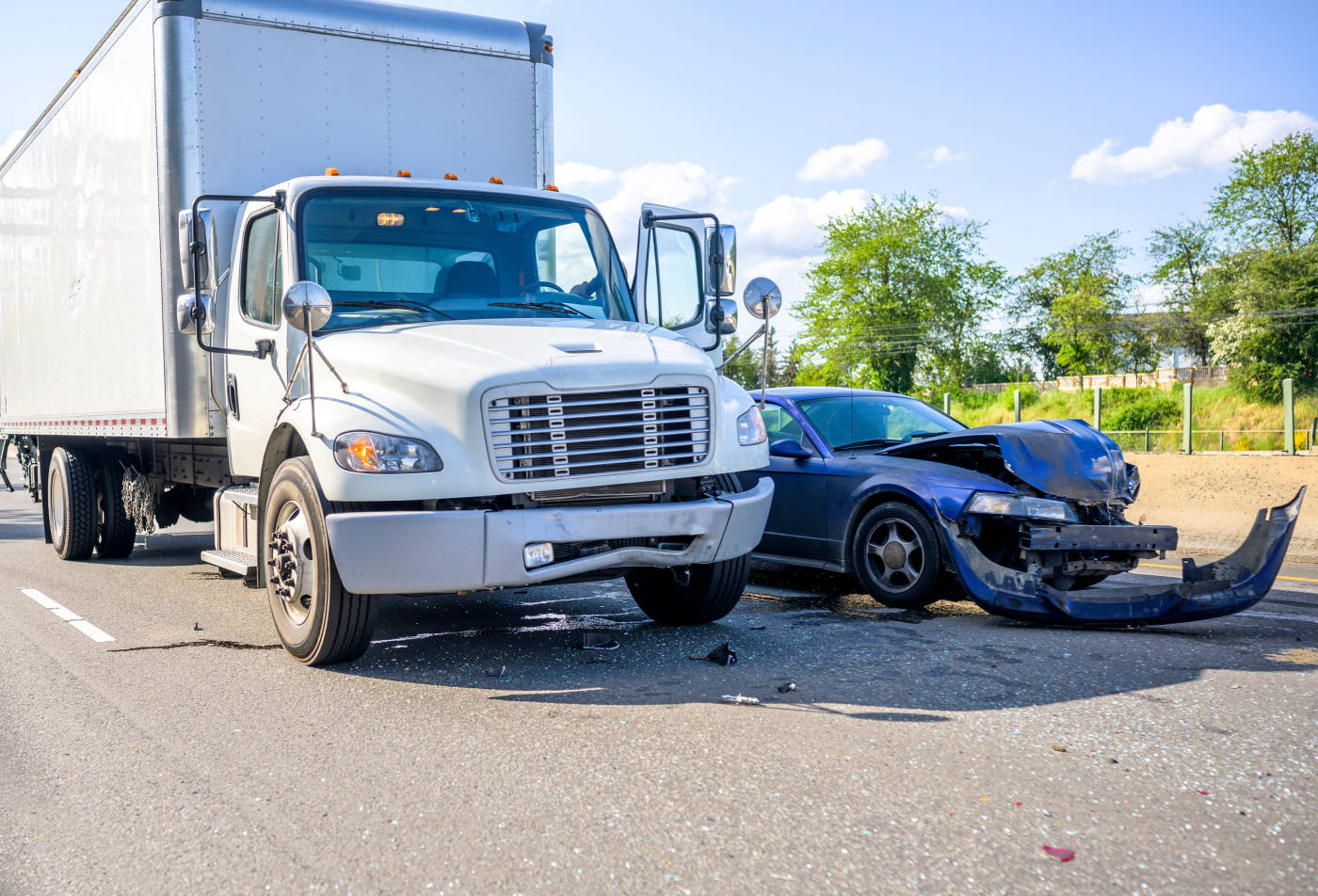
Accident scene photos: Take pictures of the vehicles’ positions, road conditions, traffic signals, skid marks, and debris. These images provide an objective account of the scene.
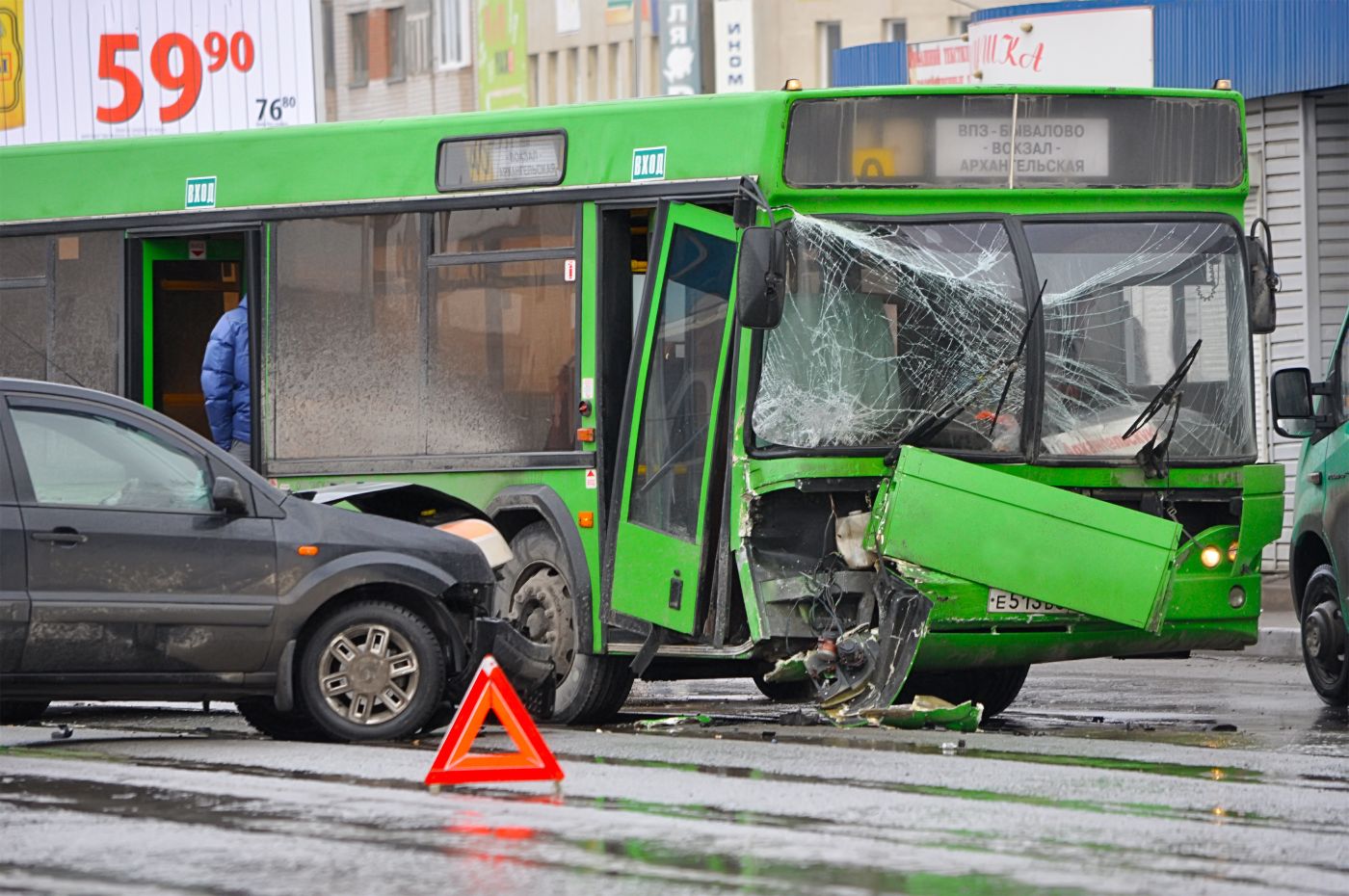
Bus damage documentation: Photograph dents, scratches, broken windows, or mechanical failures. The type and location of damage can indicate how the accident occurred.
Personal injury records: Document visible injuries with photos taken soon after the incident. This can help show the severity and progression of injuries over time.
Environmental conditions: Capture weather, lighting, and road hazards that may have contributed to the crash.
Photographs and physical evidence not only back up your account but also help insurance adjusters and courts understand the seriousness of your case. Well-documented evidence is harder to dispute and strengthens claims of negligence or recklessness by the bus driver or the company.
Witness Statements
Eyewitness accounts can be decisive in bus accident cases, especially when physical evidence alone doesn’t tell the whole story. Witnesses can clarify driver behavior, bus movements, and other details that may indicate fault.
Passenger statements: Fellow passengers often witness driver actions such as speeding, sudden lane changes, or distracted driving. Their perspective can be invaluable.
Bystander accounts: Individuals near the scene may provide unbiased observations, such as traffic signal violations or the bus's speed before impact.
Expert observations: In some cases, accident reconstruction specialists or engineers can analyze witness accounts along with physical evidence to determine how the crash happened.
Consistency checks: Collecting multiple statements allows you to cross-check facts. Consistency among accounts strengthens credibility.
Quickly gathering these statements is important because memories fade and witnesses may become harder to locate. Detailed, accurate accounts can be pivotal in proving that a bus driver or company acted negligently.
Medical and Repair Records
Medical and repair records are essential for showing the real consequences of bus accidents. They document the injuries, treatment costs, and property damages, all of which are critical for proving fault and claiming compensation.
Medical bills: Include hospital visits, doctor consultations, therapy sessions, and prescription costs. These documents clearly demonstrate the financial impact of your injuries.
Injury documentation: Keep detailed notes of diagnoses, treatments, and any restrictions or limitations caused by injuries.
Vehicle repair estimates: Obtain written repair assessments from certified mechanics or collision centers to show damage costs.
Long-term care needs: Include evaluations for future treatments, rehabilitation, or, if applicable, permanent disability.
These records help tie your injuries and losses directly to the bus accident. Presenting them effectively demonstrates to insurance companies and courts the seriousness of your situation, which is crucial when seeking fair compensation.
Traffic and Surveillance Records
Traffic reports and surveillance footage can provide critical evidence that proves fault in bus accidents. They offer an unbiased view of events leading up to the collision and can reveal violations or unsafe practices.
These records can capture details that might be overlooked by witnesses, such as the exact timing of traffic signals or the bus's speed at the moment of impact. Having this objective evidence strengthens your case by providing a clear, factual account that supports your claims against the responsible parties.
Police reports: Official crash reports document citations, officer observations, and diagrams of the accident scene.
Traffic camera footage: Nearby cameras may capture the accident as it occurred, showing factors like vehicle speed and driver behavior.
Bus surveillance: Many buses are equipped with interior and exterior cameras that record operations and driver conduct.
Electronic bus data: Commercial buses often have black-box systems that log speed, braking, and other operational details, which can demonstrate negligence or rule violations.
Accessing these records promptly is critical. Footage can be overwritten, and police reports may only retain certain details for a limited time. As an experienced attorney, I know how to efficiently request these records, which helps solidify your case against bus companies and insurance adjusters.
Secure Your Recovery and Compensation After Bus Accidents
Bus accidents often leave victims struggling with injuries, lost income, and emotional stress. Proving fault requires a careful collection of evidence, including driver and vehicle information, physical and photographic documentation, witness statements, medical records, and traffic or surveillance reports.
Taking these steps early and methodically strengthens your ability to hold responsible parties accountable. By compiling comprehensive documentation and advocating for your rights, I work to maximize your potential recovery.
At the Law Office of Jack M. Shapiro, P.C., I help clients in Buffalo Grove, Arlington Heights, DuPage County, Lake County, Mount Prospect, Palatine, Vernon Hills, Mundelein, Cook County, Hoffman Estates, McHenry County, Northbrook, Schaumburg, and Wheeling, Illinois, gather the evidence needed to support their bus accident cases. Contact me today to schedule a consultation and take the first step toward rebuilding after a bus accident.