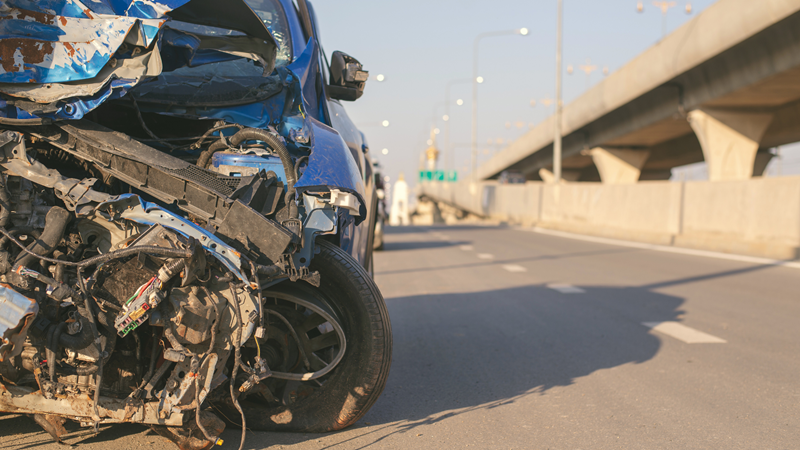
Highland Park, IL (March 1, 2026) — Emergency responders were called to the scene of a serious three-vehicle collision on Saturday, February 28, on northbound Route 41, just south of Half Day Road.
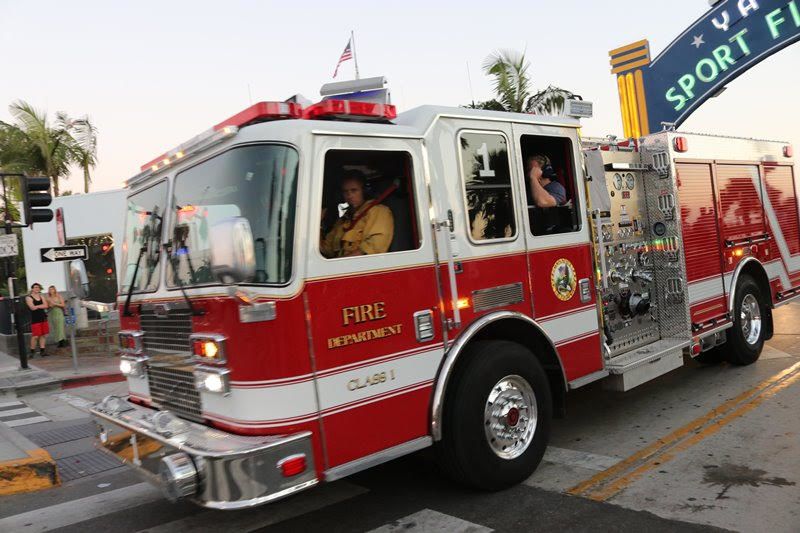
Fire crews performed a delicate extrication for at least one victim who was trapped inside a vehicle. Due to the number of injuries and the severity of the impact, emergency responders requested four ambulances to the scene to transport victims to local trauma centers.
Details about how the crash occurred and its surrounding circumstances remain under investigation.
Our thoughts are with those hurt as they work toward recovery.
Compensation and Damages Victims Can Recover After a Multi-vehicle Accident in Illinois
In Illinois, victims of a multi-vehicle accident are entitled to seek "compensatory damages" from the at-fault driver's insurance. Because Illinois is an "at-fault" state, the party responsible for the collision is liable for all resulting costs. This includes coverage for specialized rescue services, hospital bills, and the long-term emotional impact of the trauma.
Economic damages are the documented financial losses resulting from the accident. This includes the high cost of the fire department's extrication equipment, emergency ambulance transport, and all ER fees and surgical costs. If the injuries prevent a victim from returning to work, they can also recover "lost wages" and "loss of future earning capacity." These damages are calculated to ensure that the injured party is not burdened by debt while trying to focus on their physical recovery.
Non-economic damages address the intangible, but equally real, "human cost" of the crash. This includes compensation for physical pain and suffering, as well as mental anguish and emotional distress. Illinois law does not place a limit on these damages, allowing for a recovery that reflects the true impact the accident has had on a victim's daily life and overall quality of life.
Illinois follows a "Modified Comparative Negligence" rule, which determines how much money a victim can receive based on their percentage of fault. You can recover damages as long as you are less than 50% responsible for the crash. If a jury determines you were 10% at fault for the collision, your total compensation would be reduced by that 10%. However, if you are found to be 51% or more at fault, you are barred from recovering any money from the other drivers involved.
In a multi-vehicle collision, it is also important to review your own Underinsured Motorist (UIM) coverage. If the at-fault driver only carries the Illinois state minimum insurance, it may not be enough to cover the extensive medical bills for multiple injured people. UIM coverage on your own auto policy acts as a secondary layer of protection, ensuring that you have access to the funds needed for surgery, rehabilitation, and long-term care, even if the other driver’s policy is exhausted.
A crash involving multiple vehicles and entrapment requires a thorough investigation to ensure the truth is documented. We can help you navigate the process.
If you have doubts after a vehicle crash in Lake County, contact The Law Office of Jack M. Shapiro at 847-243-8917 today and get the help that you need from our car accident lawyer.
Note: This post has been prepared using information gathered from publicly available secondary sources. The details of the incident have not been independently verified. If you identify any inaccuracies, please contact the Law Office of Jack M. Shapiro, P.C. so our team can promptly review and update the content to maintain accuracy and reliability.
Disclaimer: The information contained in this post is provided for general informational purposes only and should not be construed as legal or medical advice. This content does not create an attorney–client relationship and is not intended as a solicitation for legal services. If you or someone you know has been injured in an accident, please seek immediate medical attention. Any photographs included in this post are for illustrative purposes only and do not depict the actual scene of the accident.